Transportation Safety While Traveling: How to Stay Safe From Airport to Accommodation
By the Travel Safety Essentials team
This post may contain affiliate links. If you purchase through these links, we may earn a small commission at no extra cost to you.
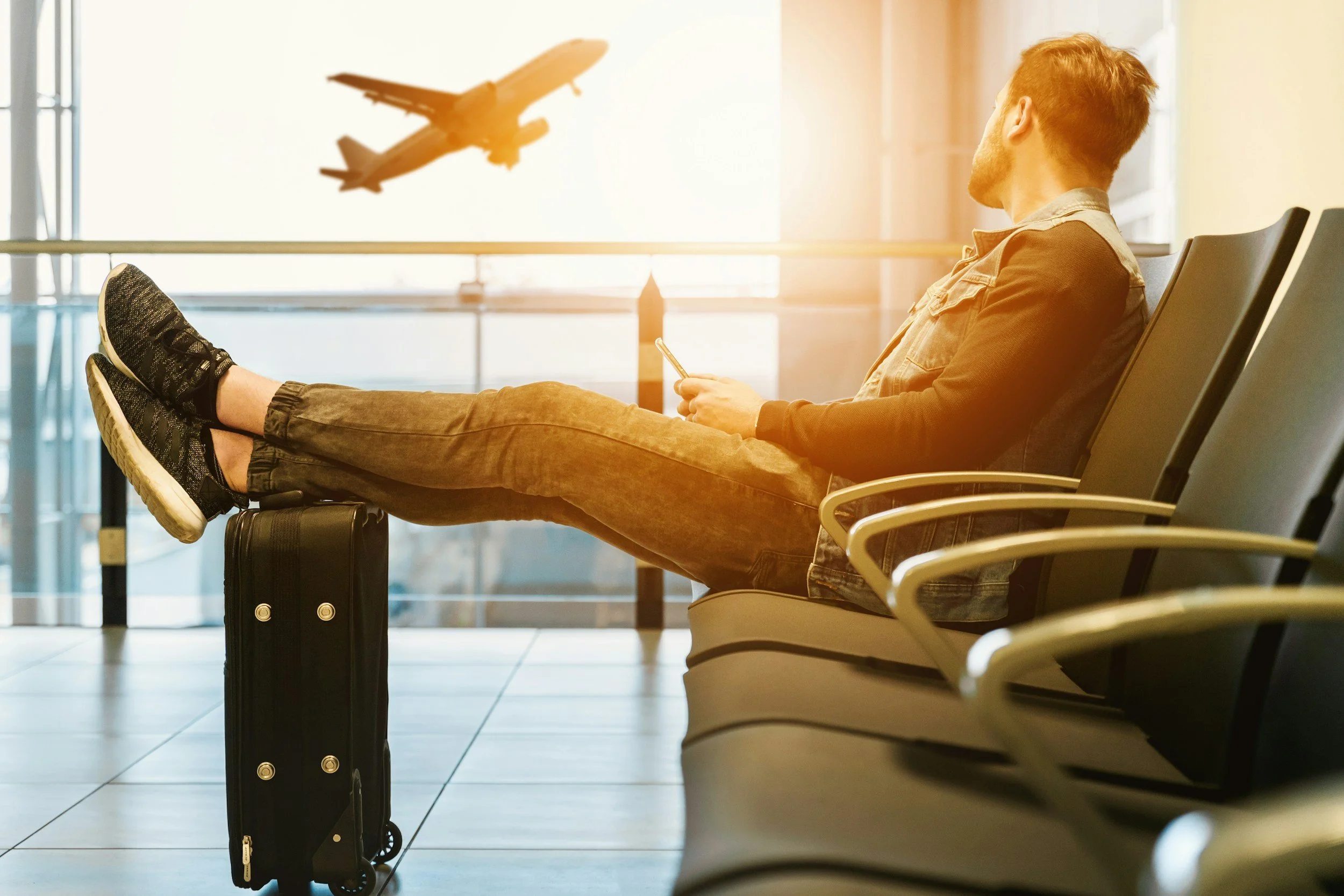
Man sitting at airport with his carry-on, traveling solo.
Transportation is one of the most vulnerable parts of any trip. You’re in transit, often distracted, managing luggage, navigating unfamiliar systems, and moving through crowded spaces. Whether you’re flying, taking trains, using rideshares, or hopping on public transit, smart transportation safety habits can significantly reduce your risk.
This guide walks through practical transportation safety tips for every stage of your journey, with a focus on prevention—not fear.
Why Transportation Safety Matters
Most travel safety issues don’t happen inside accommodations—they happen between locations:
Airports and stations attract pickpockets
Luggage is most likely to be lost or stolen in transit
Travelers are more distracted while navigating
Scams often target people who look unsure or rushed
The goal isn’t to avoid transportation—it’s to move confidently and intentionally.
Airport & Airplane Safety Tips
Airports are generally safe, but they’re busy and anonymous, which creates opportunity for theft.
Before security:
Keep your passport and wallet secured, not loose in a jacket pocket
Avoid repacking valuables in open areas
Be cautious of distractions near check-in counters
After security & at the gate:
Keep carry-ons within sight at all times
Avoid hanging bags on chair backs
If charging devices, stay nearby
On the plane:
Place valuables under the seat in front of you rather than overhead when possible
Avoid storing wallets or passports in seat-back pockets
Keep essentials in a single, easy-to-monitor pouch
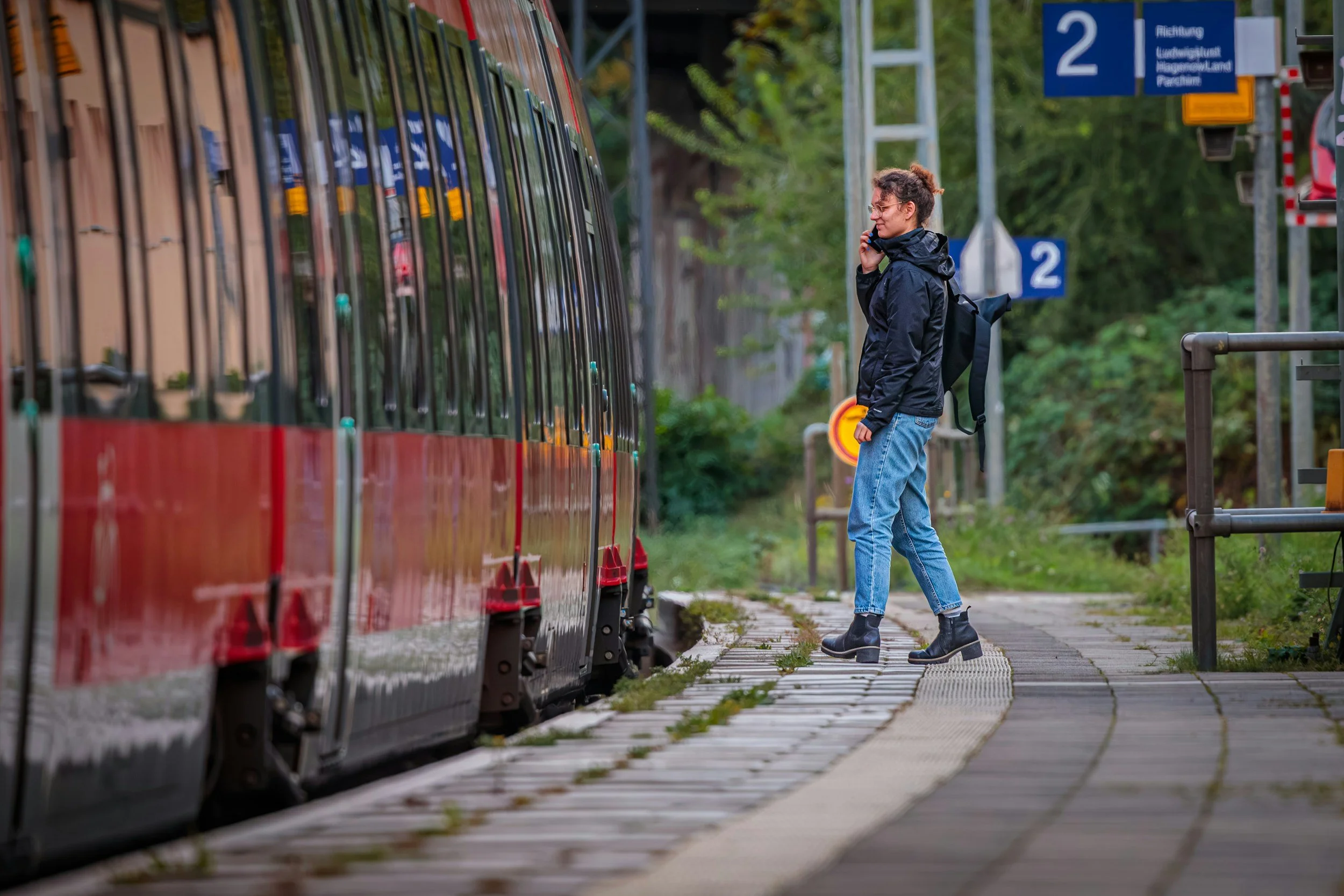
Woman boarding train from an outdoor platform.
Train & Bus Station Safety
Train stations and bus terminals vary widely by country and city, but common risks include pickpocketing and bag snatching.
Best practices:
Arrive early so you’re not rushed
Stand away from platform edges while distracted by your phone
Keep bags zipped and worn in front in crowded areas
Avoid placing luggage between your legs or behind you while seated
If you’re traveling overnight or on long routes, consider choosing seats closer to other passengers rather than isolated areas.
Rideshare & Taxi Safety
Rideshares and taxis are convenient, but they require active participation to stay safe.
Before getting in:
Confirm the license plate and driver name
Avoid sharing your ride details loudly
Trust your instincts—don’t get in if something feels off
During the ride:
Sit in the back seat when possible
Follow the route on your phone
Avoid oversharing personal information
After arrival:
Exit on the sidewalk side
Take a moment to re-secure your belongings before walking away
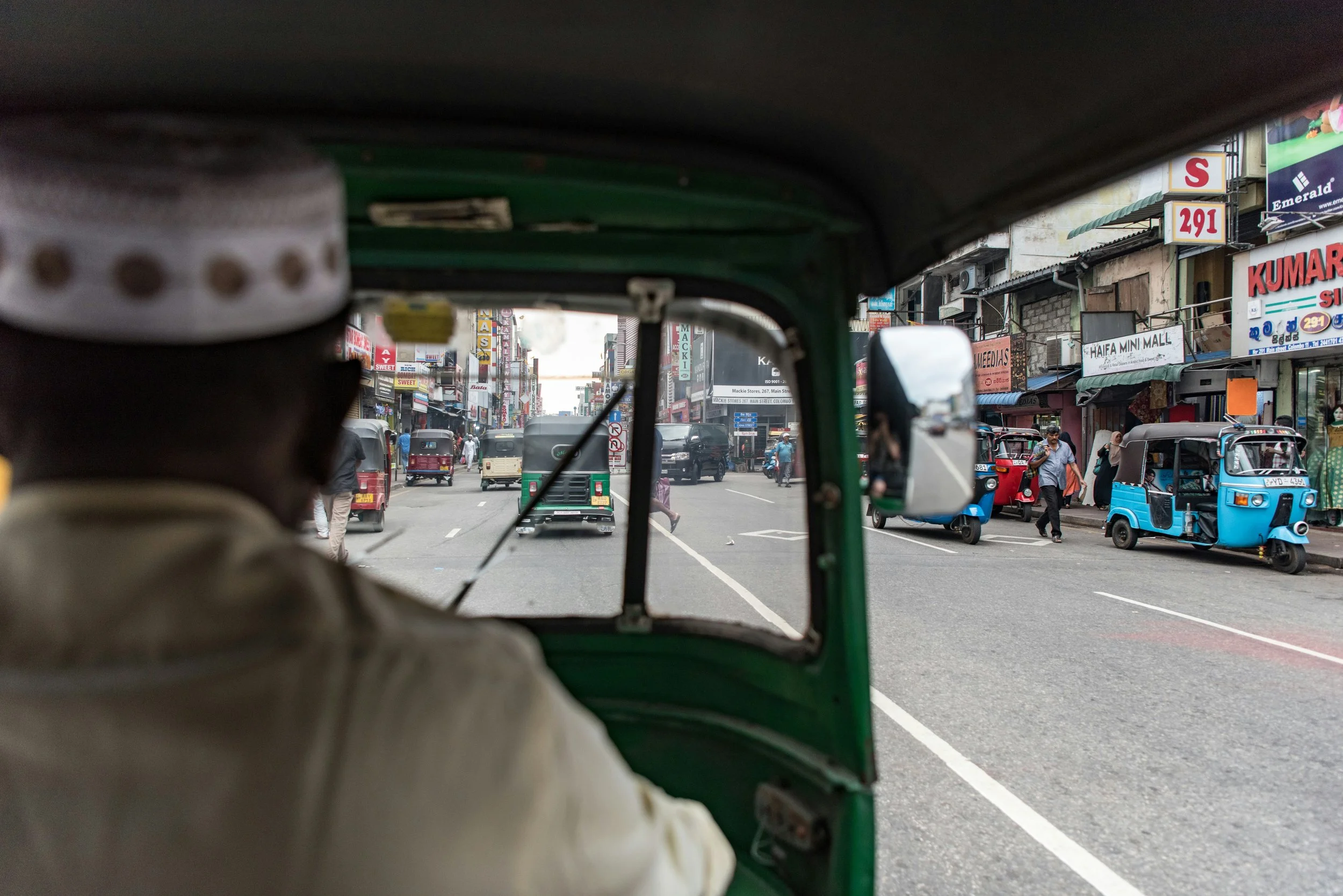
Point of view of someone in the passenger seat of a tuk-tuk, looking over the shoulder of the driver at the street in a foreign city.
Public Transportation Safety Abroad
Public transit is efficient and affordable, but it’s also where many travelers experience petty theft.
Common risks:
Pickpocketing in crowded trains or buses
Bag slashing
Theft during boarding and exiting
How to reduce risk:
Use anti-theft bags or crossbody styles worn in front
Keep wallets in zipped compartments
Avoid standing near doors with valuables exposed
One simple way to reduce risk is to keep your cards secured in an RFID-blocking wallet that’s difficult to access quickly and easy for you to monitor.
Depending on your travel style, these options work especially well during public transit:
Turnlock wallet (women) — fully enclosed, making it harder to open in crowded spaces
Classic bifold wallet (men) — a familiar design that fits securely in front pockets or zippered bags
Slim trifold wallet (unisex) — a balanced option with added structure and card protection
Whichever style you choose, keep it in a zipped compartment and avoid handling it while standing near doors or exits.
Luggage & Theft Prevention While in Transit
Your luggage is most vulnerable when:
You’re loading or unloading
You’re stopped briefly (bathrooms, cafes, ticket counters)
You assume “someone is watching it”
Smart habits:
Use small luggage locks as deterrents
Keep valuables in carry-ons, not checked bags
Use tracking devices for peace of mind
Never leave bags unattended, even briefly

Woman at the airport carrying her valuables in a carry-on suitcase.
What to Do If Something Goes Wrong
Even with preparation, things can happen. If they do:
Report theft immediately to local authorities
Cancel stolen cards as soon as possible
Contact your embassy if your passport is lost
Keep digital copies of important documents
Having a plan reduces panic and speeds recovery.
Transportation Safety Essentials
You don’t need specialized gear—just thoughtful choices:
A secure day bag or backpack
A simple luggage lock
A portable charger
An RFID-blocking wallet suited to your travel style and comfort level
These items are most effective when paired with awareness and consistent habits during transit.
Final Thoughts
Transportation safety isn’t about avoiding movement—it’s about moving smarter. By staying organized, minimizing distractions, and choosing secure essentials, you can significantly reduce risk while traveling.
Safe travel starts long before you arrive—and continues every step of the way.