By the Travel Safety Essentials team
This post may contain affiliate links. If you purchase through these links, we may earn a small commission at no extra cost to you.

Overhead shot of man packing suitcase with tablet predominately displayed on top of windbreaker.
Travel safety isn’t about fear or over‑preparation—it’s about reducing avoidable risk before you leave home. A few simple checks done in advance can prevent many of the problems travelers face on the road.
This travel safety checklist focuses on practical, realistic steps you can take before any trip, whether you’re traveling solo, with family, or on a short weekend getaway.
Use it as a calm, common‑sense guide—not a list of things to worry about.
1. Share Your Travel Basics With Someone You Trust
Before you leave, make sure at least one trusted person knows:
Your destination and general itinerary
Where you’re staying (hotel name or neighborhood)
How long you’ll be gone
You don’t need to share every detail—just enough so someone can check in or assist if plans change unexpectedly.
Why it matters: If something goes wrong, having a point of contact who knows where you are can save time and stress.
2. Check Entry Requirements and Local Guidelines
Before departure, confirm:
Passport validity (many countries require 6 months remaining)
Visa or entry requirements
Any health, customs, or local regulations that apply
Even experienced travelers get caught off guard by last‑minute rule changes.
Why it matters: Entry issues are one of the most common—and preventable—travel disruptions.
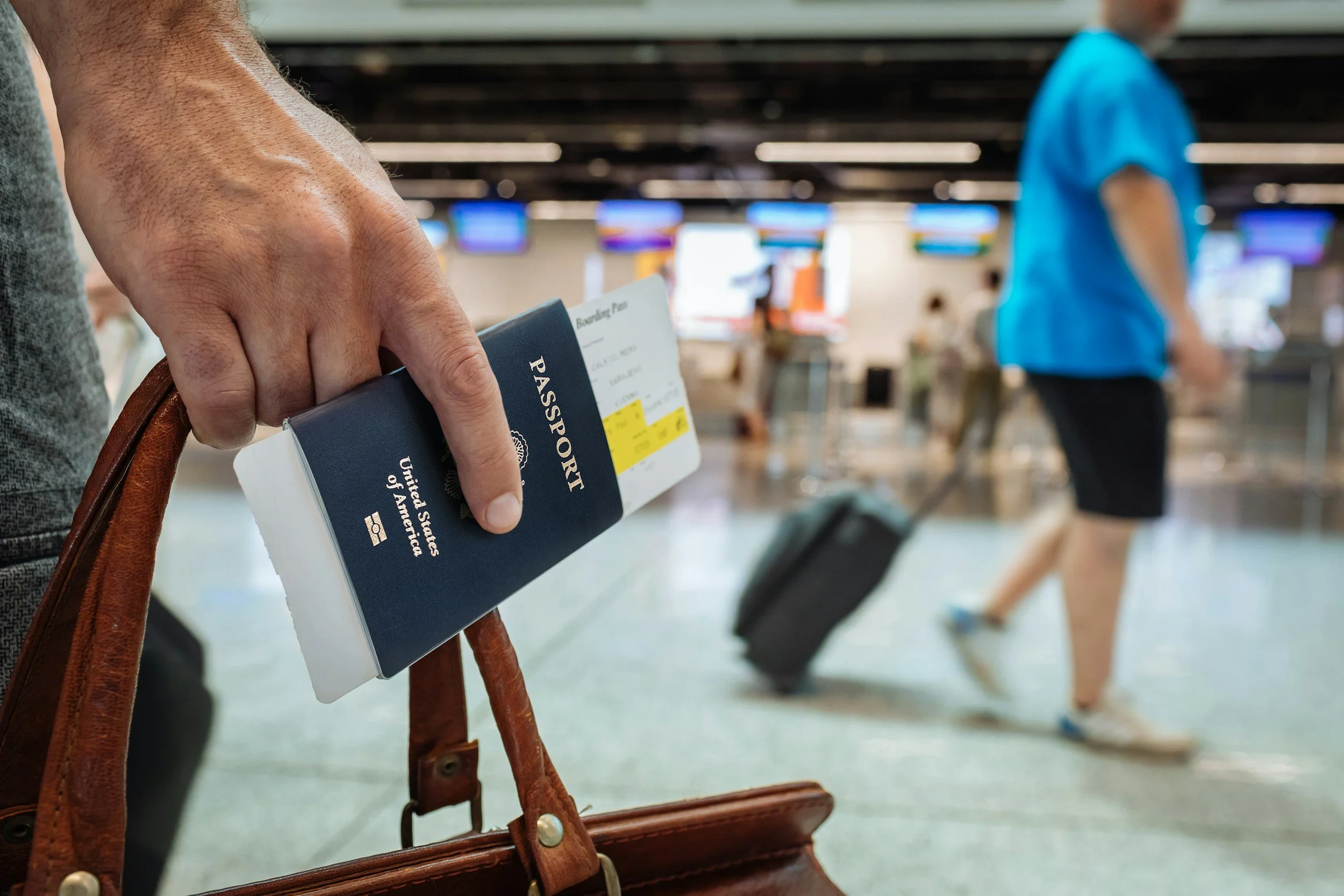
Close-up of man’s hand carrying bag and passport at the airport.
3. Make Digital Copies of Important Documents
Create secure digital copies of:
Passport and ID
Travel insurance information
Flight and accommodation confirmations
Emergency contact numbers
Store them:
In a secure cloud account
Or in a password‑protected app
Why it matters: If documents are lost or stolen, access to copies makes replacement much easier.
4. Review Your Financial Safety Setup
Before you go:
Notify your bank or card issuer if needed
Set daily spending alerts
Bring at least two payment methods
Know how to freeze cards quickly if necessary
Avoid carrying all cards or cash in one place.
Optional but helpful: Using an RFID-blocking wallet adds an extra layer of protection against contactless card scanning, especially in crowded airports, public transit, and tourist areas.
Recommended options:
– RFID-blocking wallet for men (slim or classic bifold)
– RFID-blocking wallet for women (larger capacity with secure closures)
– Slim unisex RFID cardholder (ideal for front-pocket carry or separating backup cards)
Why it matters: Financial disruptions can derail a trip faster than almost anything else.
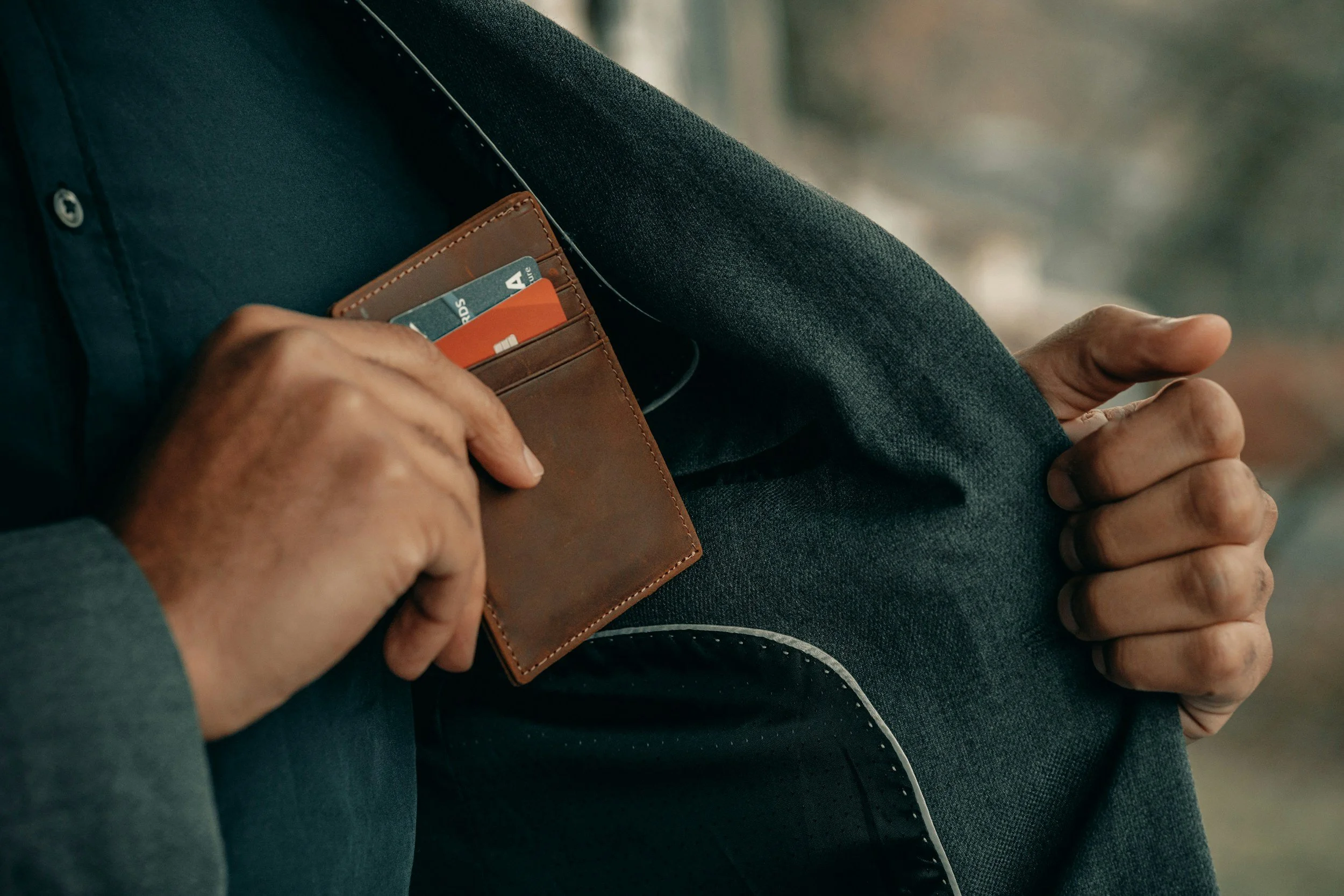
Close-up of man placing card holder with two credit cards in his coat pocket.
5. Pack a Few Simple Travel Safety Essentials
You don’t need specialized gear—just thoughtful choices.
Consider:
A secure bag or backpack
A luggage lock
A portable charger or power bank.
If you’re mainly charging phones and have limited space, this INIU portable charger is a great option. If you expect to be away from power sources for longer periods, have multiple devices, and are willing to spend more for premium quality, we recommend the Anker Prime Power Bank. Both products are TSA-approved and can be carried in your carry-on.
A small personal safety item (such as a portable door lock or alarm)
A secure way to carry cards and IDs
Choose items that fit your travel style and destination.
Why it matters: Small tools can increase awareness and control without adding stress or bulk.
6. Research Your Destination at a High Level
You don’t need to memorize every detail. Focus on:
Common local scams or safety concerns
Safe transportation options
Cultural norms that affect behavior or dress
Avoid deep dives that create unnecessary anxiety.
Why it matters: Basic awareness helps you blend in and make better decisions.

Close-up of woman holding smartphone.
7. Plan How You’ll Stay Connected
Before leaving:
Confirm international phone access or eSIM options
Download offline maps
Save key addresses and directions
Being able to orient yourself—even briefly—adds confidence.
Why it matters: Connectivity reduces confusion and helps you adapt quickly if plans change.
8. Do a Quick Home Safety Check
Before locking up:
Secure doors and windows
Pause mail or deliveries
Avoid announcing travel dates publicly
A calm departure starts with knowing your home is handled.
Why it matters: Peace of mind at home helps you focus on your trip.

A cozy home interior, left secured while the owner is traveling.
9. Trust Preparation—Not Perfection
No checklist can eliminate all risk. The goal is to reduce common problems, not control every outcome.
If you’ve:
Prepared your documents
Thought through safety basics
Planned for communication and finances
You’ve done enough.
Final Thoughts: Travel Smarter, Not Fearfully
A travel safety checklist is not about expecting problems—it’s about giving yourself more flexibility and confidence if something unexpected happens.
Prepared travelers tend to:
Make calmer decisions
Adapt more easily
Enjoy their trips more fully
A little preparation goes a long way.
This checklist is for general information only and does not replace local guidance, professional advice, or emergency services.