Personal Safety Essentials for Travel (That Actually Get Used)
By the Travel Safety Essentials team
This post may contain affiliate links. If you purchase through these links, we may earn a small commission at no extra cost to you.
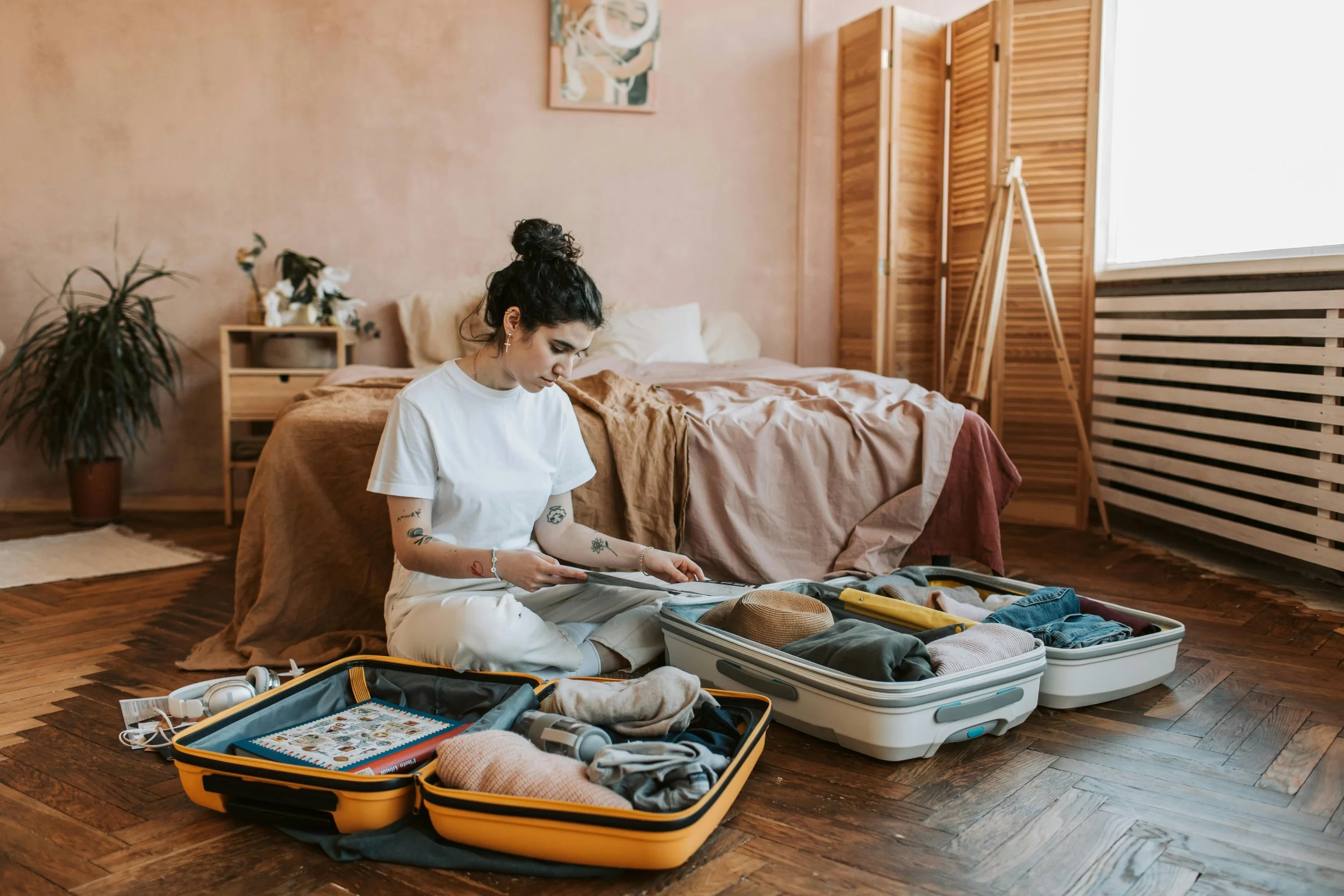
Woman thoughtfully packing her suitcases for travel.
Travel safety advice often falls into two extremes: overly dramatic warnings or vague tips that don’t translate well to real trips. Most travelers don’t need tactical gear or complicated systems — they need simple, practical safety tools that fit naturally into how they already travel.
This guide focuses on personal safety essentials that are:
Easy to use
Low-profile
Helpful in hotels, Airbnbs, and everyday sightseeing
Worth packing because they actually get used
You don’t need everything on this list. The goal is to help you choose one or two smart additions that increase peace of mind without adding stress or bulk.
Why “Everyday” Safety Matters More Than Extreme Gear
Most travel-related incidents aren’t dramatic or dangerous in the way movies portray them. They’re quiet, opportunistic, and avoidable — a door that doesn’t feel secure, a bag left unattended for a moment, valuables left visible in a room.
That’s why everyday safety matters more than extreme gear.
The most effective safety tools:
Work in the background
Don’t rely on constant vigilance
Reduce risk without changing your routine
When safety feels simple, you’re more likely to use it consistently — and consistency is what actually lowers risk.
Personal Safety Essentials That Don’t Scream “Tourist”
A common concern among travelers is looking conspicuous. The items below are intentionally subtle. They blend into normal travel habits and don’t draw attention in public or shared spaces.
You don’t need every item on this list. Most travelers do best by choosing one safety upgrade per category, selecting an option that fits their budget, and skipping anything that doesn’t match their travel style or itinerary.
Portable Door Security for Hotels & Rentals
Even when accommodations technically “lock,” they don’t always feel secure. Portable door security adds a secondary barrier that works independently of the property’s hardware.
This is especially reassuring if you:
Travel solo
Stay in short-term rentals
Arrive late or leave early
Have experienced someone trying your door in the past
To help you feel more secure, consider using a portable door lock for inward-swinging doors (we recommend the Sabre), or a portable door alarm that hangs over the door handle like this one from Securityman.
Portable door security isn’t about expecting danger — it’s about sleeping better and feeling more in control of your space.
Key features to look for
No tools or permanent installation
Compatibility with inward-opening doors
Compact size that fits in carry-on luggage
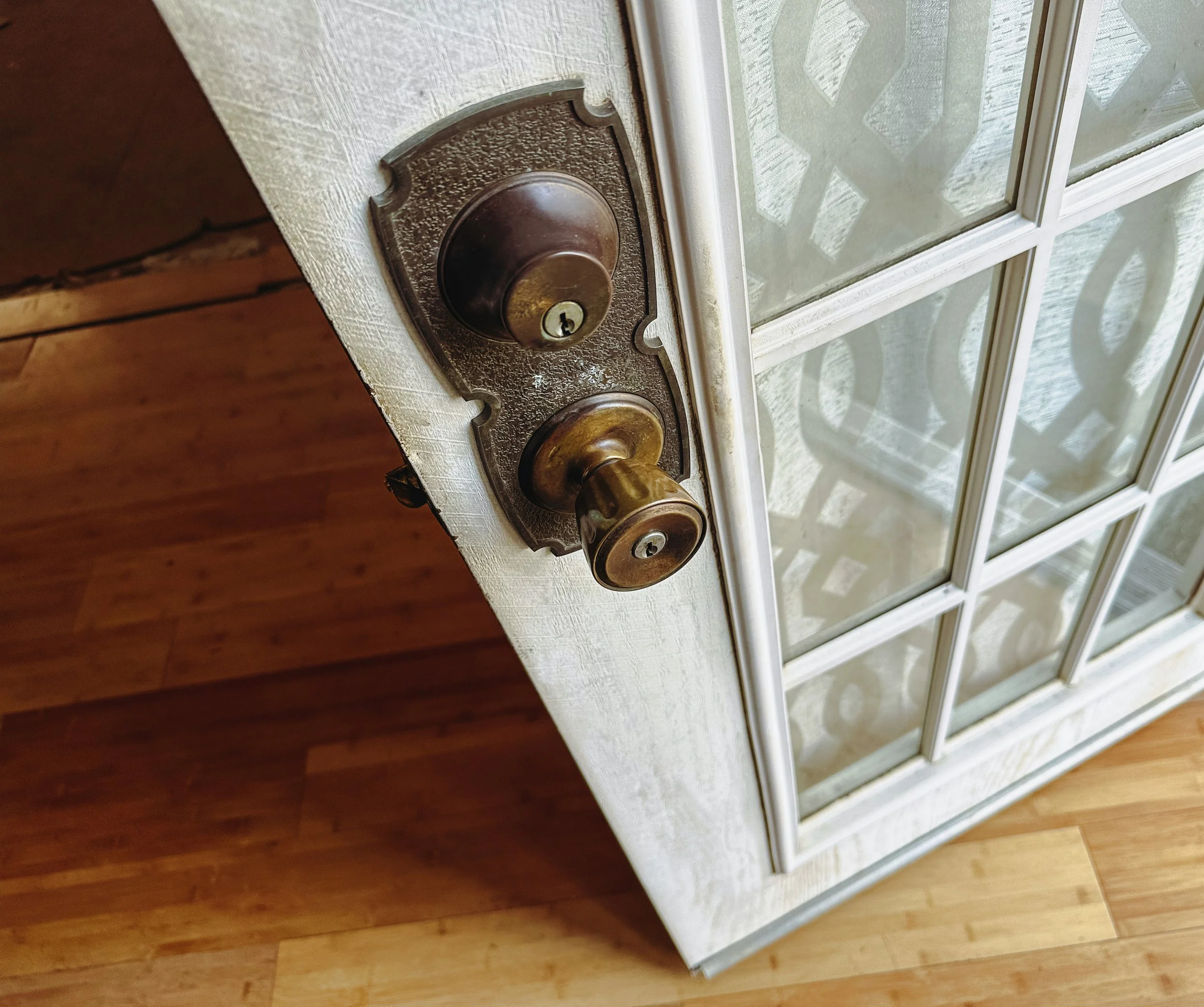
An inward-swinging door where a portable door lock can be used.
Personal Safety Alarms for Awareness & Deterrence
Personal safety alarms are designed to create instant attention in situations where you feel uncomfortable or need help quickly. They’re not defensive weapons and don’t require training — which is why many travelers feel comfortable carrying them.
They’re particularly useful in:
Parking garages
Stairwells
Early morning or late-night walks
Situations where you want a deterrent, not confrontation
A loud alarm can interrupt an uncomfortable situation long enough to draw attention or create distance.
What matters most
One-pull or one-press activation
Loud volume (typically 130 dB or higher)
A way to attach it where it’s easy to reach
If you primarily travel with others and rarely go out alone, this may be optional — but for solo travelers, it’s one of the simplest layers of reassurance you can add.
Best overall, daily option: The pull-activated She’s Birdie Personal Safety Alarm is a popular choice for everyday carry and travel. It emits a loud siren and includes a strobe light, and its design is easy to attach to keys, bags, or backpacks — perfect for when you want a reliable, reusable alarm that’s quick to reach.
Best budget-friendly option: The Tecknet Rechargeable Personal Safety Alarm can be activated by either pulling the pin or double-clicking the button, giving you the freedom to choose the best option in any scenario.
Anti-Theft Bags & Wallets for Crowded Areas
Pickpocketing thrives in busy, distracting environments — public transit, tourist attractions, festivals, and crowded streets. Anti-theft bags and wallets help reduce risk without requiring constant awareness.
Instead of changing how you move, these items quietly protect valuables through design.
Features that make a difference
RFID-blocking materials for cards and passports
Locking or hidden zippers
Slash-resistant straps on crossbody bags
Choosing an RFID wallet that fits your travel style
RFID protection matters, but the right wallet depends on how you travel and what you carry day to day. Rather than one “best” option, there are a few solid choices depending on fit, style, and budget.
Best for men: A slim RFID wallet from Bellroy designed to fit comfortably in front or interior pockets without adding bulk.
Best for women: A compact RFID wallet from Vera Bradley that fits easily into crossbody or anti-theft bags while keeping cards organized.
Best budget-friendly option: A simple unisex RFID wallet from Trusador that offers basic protection without extra features. (Just be aware that any card you place in the front slot will not be RFID protected, as that slot is designed for quick access.)
You don’t need to overhaul your entire setup — even one upgraded item can make crowded days feel more relaxed.
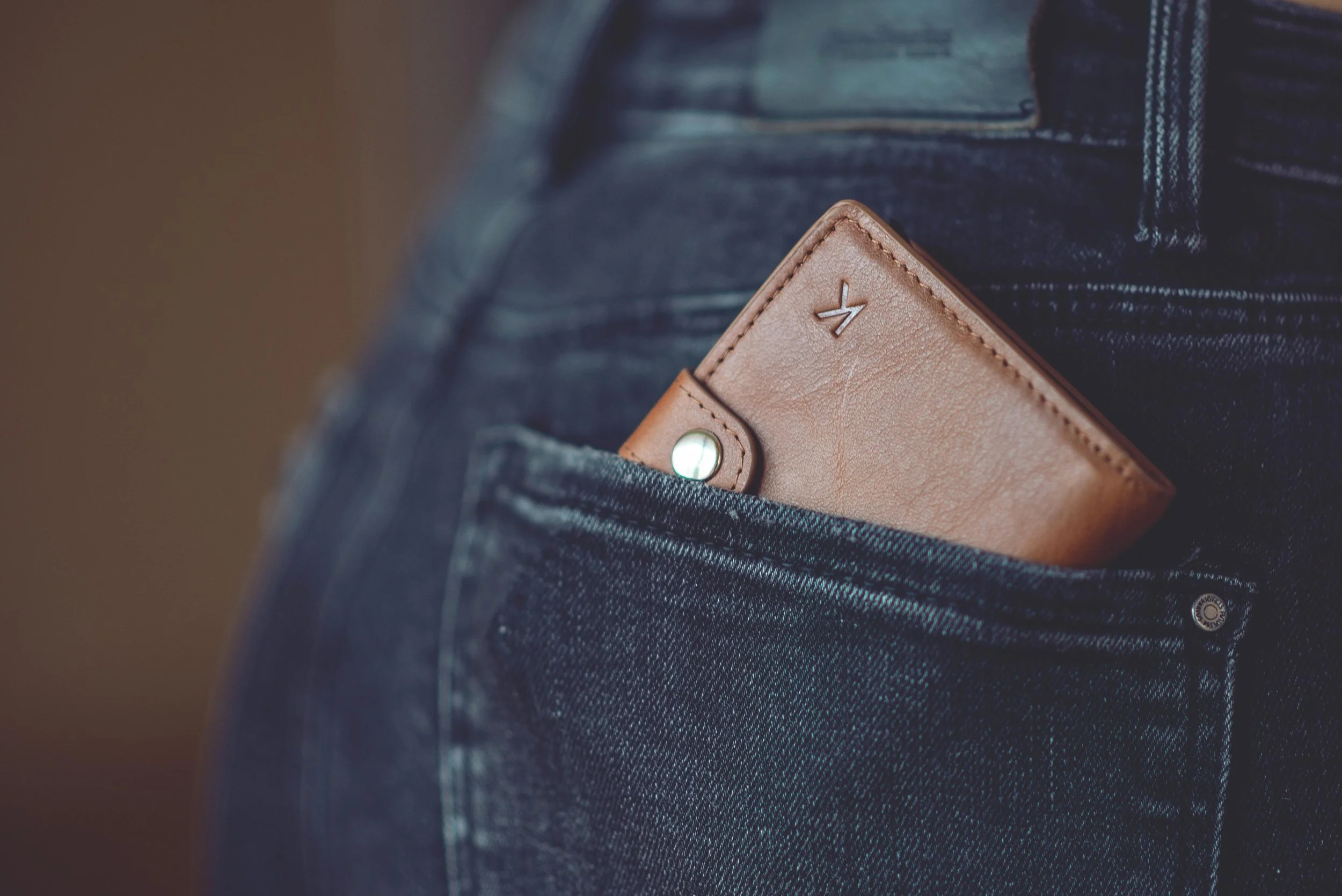
A wallet partially visible in someone’s back pocket. A wallet with RFID safety features can protect your finances and your peace of mind.
Portable Safes for Peace of Mind
Portable safes are often overlooked, but they’re one of the most practical safety tools for accommodations — especially when a room safe isn’t available or doesn’t feel trustworthy.
They’re useful for securing:
Passports
Backup credit cards
Medications
Small electronics
Most portable safes, like the Pacsafe Travelsafe 3L GII Portable Safe, include a steel cable that allows you to secure them to a fixed object, creating an added layer of deterrence. If you need something more compact for storing small items like passports and credit cards, we recommend the Master Lock Portable Small Lock Box.
What to prioritize
Lightweight, packable design
Slash-resistant material
Simple locking mechanism you’ll actually use
Simple Privacy Tools Most Travelers Forget
Safety isn’t only about theft — privacy matters too, especially in unfamiliar accommodations.
Small privacy tools can help you feel more comfortable without altering the room or packing bulky equipment.
Examples include:
Webcam covers for laptops and tablets
Peephole covers
Door gap blockers
These items are inexpensive, take up almost no space, and are often the kind of thing travelers wish they had after an uncomfortable experience.
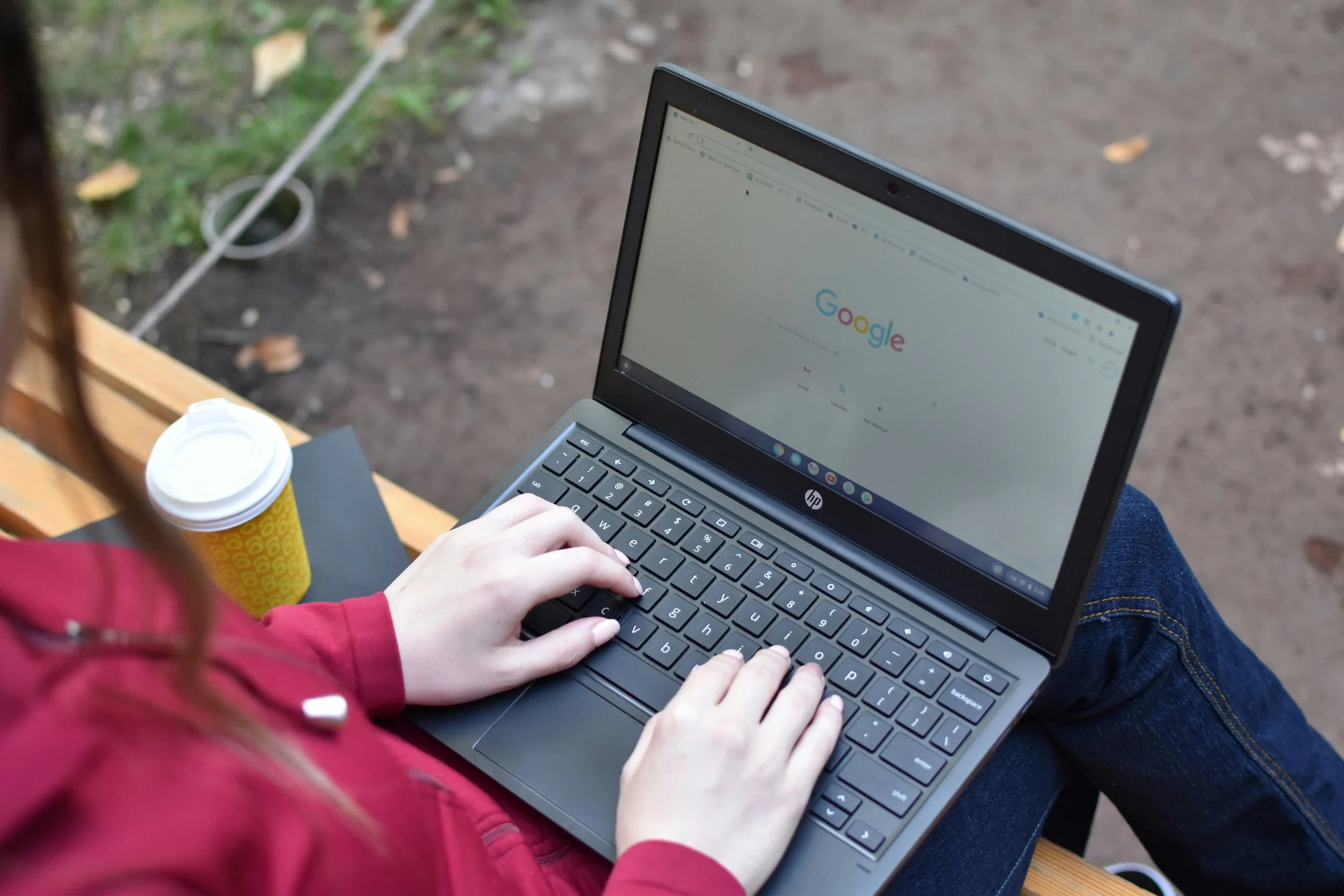
A woman using her laptop in public. Simple tools like a webcam cover can help you feel safer.
How to Choose What You Actually Need
You don’t need to buy everything at once — or ever.
Instead, think in terms of likely scenarios, not worst-case ones.
Ask yourself:
Do I travel solo or with others?
Will I stay in hotels, rentals, or shared accommodations?
Will I carry valuables daily?
Do I value peace of mind more than ultra-minimal packing?
For most travelers, choosing one to three items from this list provides meaningful reassurance without overcomplicating things.
Final Thoughts: Safety Should Feel Empowering
The best personal safety essentials don’t create fear — they create confidence. When you feel prepared, you’re able to focus on enjoying your trip instead of second-guessing your surroundings.
Start small. Choose what fits your travel style. And build a setup that supports you quietly in the background — so you can travel with more ease and less worry.