What Are Travel Safety Essentials? A Guide to Staying Safe Wherever You Go
By the Travel Safety Essentials Team
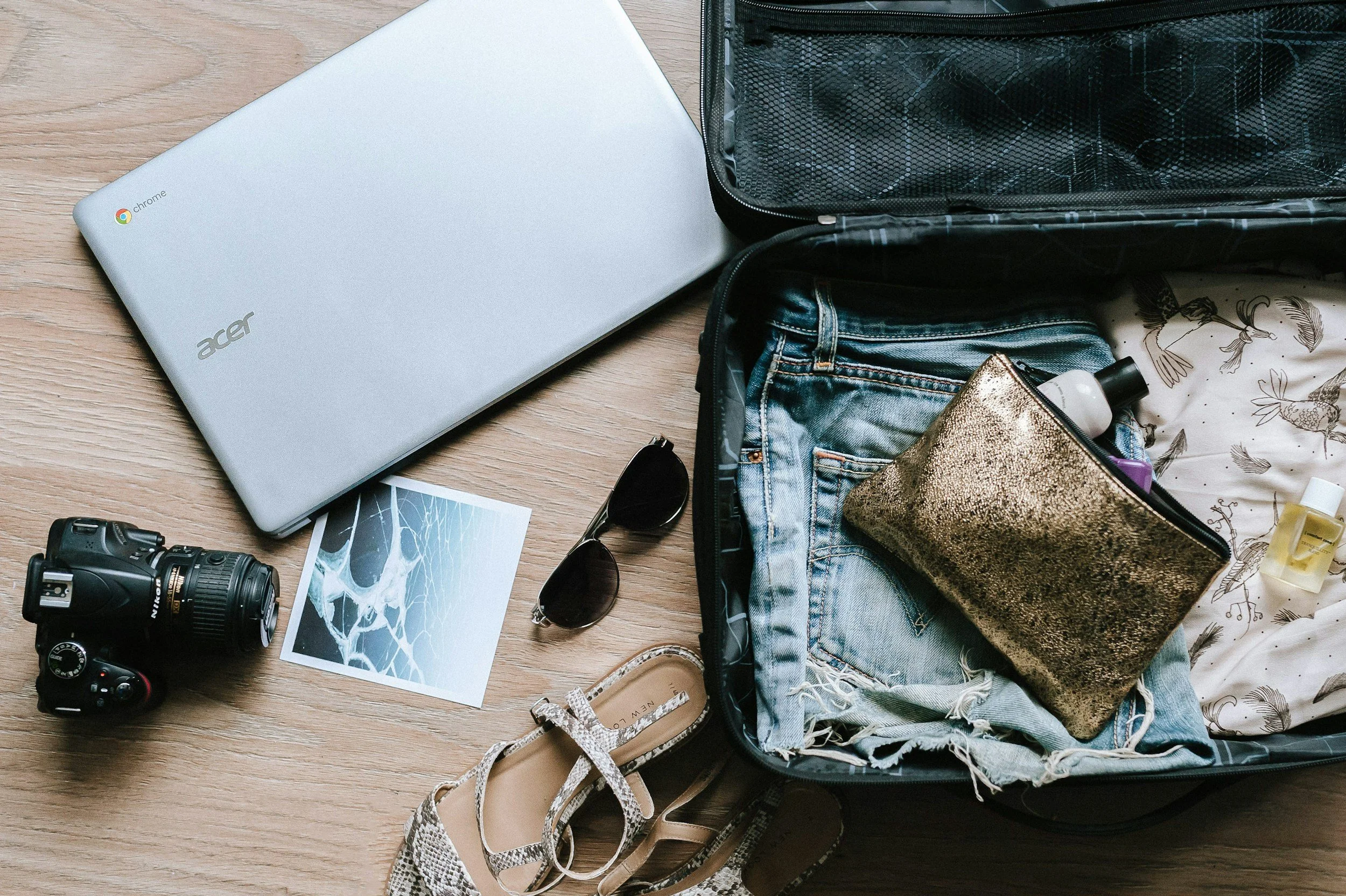
Woman’s open luggage laid flat next to laptop, camera, sunglasses, and slippers.
Travel is exciting — but it also comes with risks most people don’t think about until something goes wrong. From petty theft and unsecured hotel rooms to lost documents and digital privacy issues, staying safe while traveling isn’t about fear — it’s about preparation.
That’s where travel safety essentials come in.
In this guide, we’ll break down what travel safety essentials are, who needs them, and how they help travelers feel more confident and protected — no matter where they’re headed.
What Are Travel Safety Essentials?
Travel safety essentials are tools, habits, and precautions that help reduce common travel risks such as theft, intrusion, data loss, and personal vulnerability.
They’re not about extreme situations — they’re about everyday travel realities:
Busy airports
Hotels and Airbnbs with shared access
Crowded tourist areas
Public Wi-Fi
Carrying important documents
Travel safety essentials can be physical items, digital protections, or simple routines that make travel safer and less stressful.
Why Travel Safety Matters More Than You Think
Most travel safety problems aren’t dramatic — they’re inconvenient, expensive, and avoidable.
Common issues travelers face include:
Bags or wallets being stolen in crowded areas
Hotel room doors that don’t feel secure
Passports or credit cards getting lost
Personal information being compromised online
A few small precautions can prevent situations that ruin a trip or create long-term headaches.
Categories of Travel Safety Essentials
Rather than focusing on specific products, it’s more helpful to think about travel safety in categories.
1. Personal Security
These help protect you while moving through airports, streets, and public places.
Examples include:
Theft-deterrent habits
Awareness tools
Carry methods that reduce easy access for pickpockets
2. Accommodation Safety
Hotels, Airbnbs, and hostels vary widely in security.
Travelers often overlook:
Door and window vulnerabilities
Shared spaces
Lack of secondary locks
Knowing what to check when you arrive can dramatically increase peace of mind.
3. Document & Data Protection
Your passport, credit cards, and personal data are some of the most valuable things you carry.
Risks include:
RFID scanning
Lost or stolen documents
Unsecured Wi-Fi networks
Protecting your information is just as important as protecting your belongings.
4. Luggage & Belongings
Bags are frequently targeted — especially in transit hubs.
Good travel safety habits focus on:
Making bags harder to access
Keeping valuables organized
Reducing opportunities for distraction theft
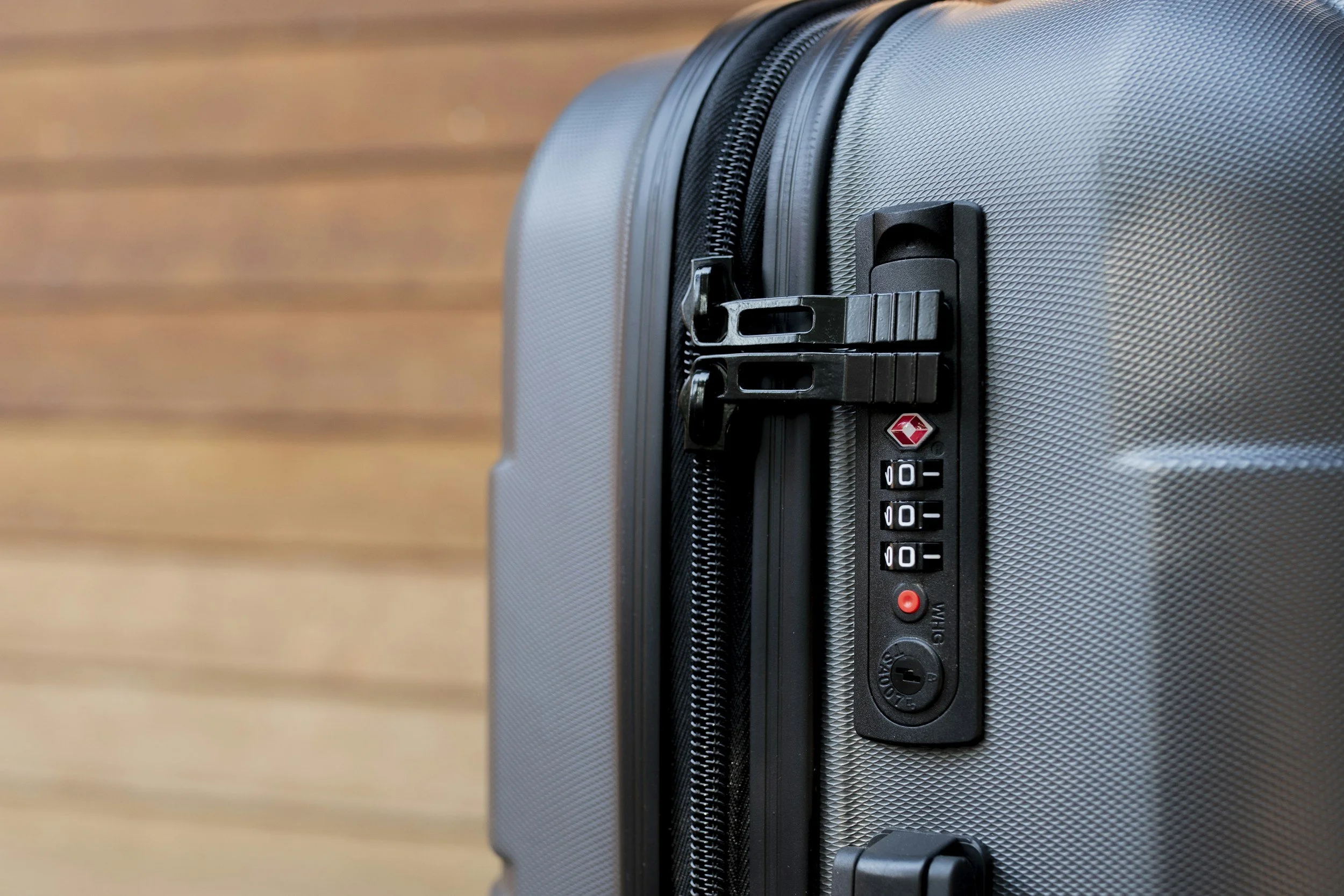
Close-up of suitcase with built-in combination lock.
Who Benefits Most from Travel Safety Essentials?
While everyone benefits, some travelers find them especially valuable:
Solo travelers who don’t have backup
Women travelers prioritizing personal security
International travelers carrying passports and visas
Frequent travelers who move through busy hubs often
Families traveling with multiple bags and distractions
If you travel at all, you likely fall into one of these groups.
Travel Safety Is About Confidence, Not Fear
The goal of travel safety essentials isn’t to make you anxious — it’s to make you confident.
When you know you’ve taken reasonable precautions, you’re free to:
Explore more
Stress less
Focus on the experience, not the “what ifs”
What’s Next?
In upcoming guides, we’ll cover:
Essential travel safety items every traveler should consider
How to stay safe in hotels, Airbnbs, and hostels
Common travel safety mistakes and how to avoid them
Travel should feel exciting — not risky. The right preparation makes all the difference.