How to Stay Safe in Hotels, Airbnbs, and Hostels
By the Travel Safety Essentials team
This post may contain affiliate links. If you purchase through these links, we may earn a small commission at no extra cost to you.

View of bedroom through open doorway with plant in foreground.
Travel accommodations can vary wildly — even within the same city. One hotel may feel secure and well-managed, while another leaves you double-checking the door lock all night. Airbnbs and hostels add even more variation, from shared spaces to unfamiliar security setups.
Staying safe while traveling isn’t about being paranoid. It’s about knowing what to look for, what habits reduce risk, and how to create a sense of security no matter where you’re staying.
This guide walks through practical, common-sense ways to stay safe in hotels, Airbnbs, and hostels, without turning your trip into a stress exercise.
Why Accommodation Safety Matters
Most travel safety issues happen where travelers feel most relaxed — inside their accommodations.
Common concerns include:
Weak or unfamiliar door locks
Shared or poorly monitored entrances
Easy access to rooms from hallways or streets
Lack of clear emergency procedures
These situations are rarely dangerous, but they can be uncomfortable and disruptive — especially for solo travelers or those staying somewhere new.
A few simple habits can make a noticeable difference.
General Safety Tips for Any Accommodation
No matter where you’re staying, these basics apply across the board.
Check the door and locks immediately
As soon as you arrive:
Close the door fully
Test the main lock
Look for secondary locks or latches
If something feels loose or unreliable, it’s better to notice early than at night. For extra peace of mind, many travelers carry a small portable door lock. It easily fits in a bag and adds an additional barrier in hotels and Airbnbs, even if someone has a key.
Going one step further, investing in a portable door alarm provides an additional layer of security. Some models fit under the door, though views on the effectiveness of these models is mixed, with many claiming that they slide across the floor when a door is opened. Other models, like the Securityman door alarm, hangs over the door handle and is vibration-activated.
Keep valuables out of sight
Avoid leaving:
Passports
Wallets
Electronics
visible near doors or windows. Even in private rooms, discretion reduces temptation and anxiety. For added protection, consider storing important items in a portable travel safe—especially ones you can cable to a fixed object inside your accommodation. A premium choice like the Pacsafe Travelsafe 3L GII Portable Safe offers sturdy anti-theft mesh and TSA-approved locking for peace of mind on trips, while a more budget-friendly option such as the Master Lock Portable Small Lock Box gives basic theft deterrence at a fraction of the cost. Both are compact enough to pack and hide, letting you securely stow passports, cash, electronics, and other valuables while you’re out exploring.
Be mindful of who sees your room
In shared spaces:
Don’t say your room number out loud
Be cautious if someone follows you closely to your door
Trust your instincts — discomfort is a signal

View from courtyard of several hotel rooms with shared balcony space.
Staying Safe in Hotels
Hotels generally offer the most structured security, but they still vary.
Choose your room strategically
When possible:
Avoid ground-floor rooms
Stay on floors that are accessible by elevator but not easily from the street
Choose rooms closer to elevators rather than isolated corners
These locations tend to have more foot traffic, which can feel safer.
Use available hotel security features
Many hotels offer:
In-room safes
Do-not-disturb options
Front desk assistance at all hours
Take advantage of these features instead of assuming they’re unnecessary.
Staying Safe in Airbnbs
Airbnbs can feel more personal — and that’s both a benefit and a responsibility.
Read reviews carefully
Pay attention to:
Mentions of safety or security
Comments about the neighborhood
Notes about locks, entrances, or shared spaces
If multiple reviews mention feeling uneasy, take that seriously.
Understand the entry system
Airbnbs may use:
Keypads
Smart locks
Physical keys
Make sure you understand how the lock works and that it feels secure once you’re inside. Convenience doesn’t always equal safety.
Identify exits and neighbors
When you arrive:
Note how to exit the building quickly
Understand whether the unit is shared
Be aware of nearby neighbors or hosts
Knowing your surroundings reduces uncertainty.
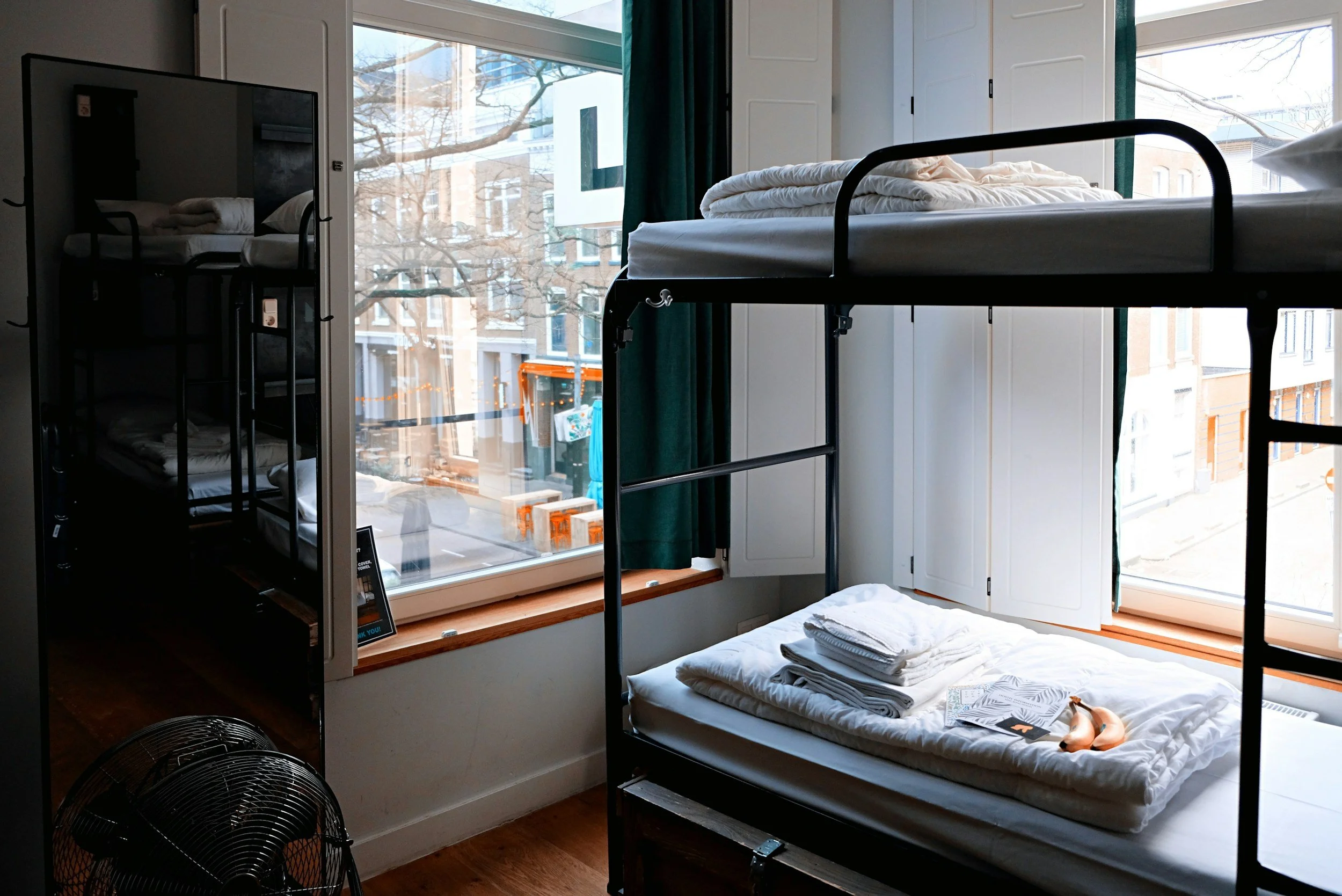
Bunk beds in hostel next to window with view of city street.
Staying Safe in Hostels
Hostels prioritize affordability and community, but shared spaces require extra awareness.
Use lockers properly
If lockers are available:
Use them consistently
Bring your own lock if needed
Don’t leave valuables unattended
Even friendly environments benefit from basic precautions.
Choose sleeping arrangements thoughtfully
If you have options:
Choose beds away from doors
Avoid areas with heavy foot traffic
Keep essentials within reach at night
Small choices can improve comfort significantly.
Be selective with trust
Hostels encourage socializing — which is great — but:
You don’t need to share personal details
You don’t need to disclose travel plans
Politeness doesn’t require over-sharing
Boundaries are part of safety.
What to Do If Something Feels Off
One of the most overlooked safety tools is intuition.
If something doesn’t feel right:
Ask to change rooms
Contact the host or front desk
Leave and find alternate accommodations
Your comfort matters. A small inconvenience is better than staying somewhere that causes ongoing stress.
Safety Is About Preparation, Not Fear
The goal of accommodation safety isn’t to eliminate risk — it’s to reduce uncertainty.
When you:
Check locks
Choose rooms intentionally
Stay aware of your surroundings
you create a sense of control that allows you to relax and enjoy your trip.
In future guides, we’ll cover specific tools and travel safety essentials that can add another layer of protection — but habits always come first.