Travel Safety Trends in 2026: What Smart Travelers Are Doing Differently
By the Travel Safety Essentials team
This post may contain affiliate links. If you purchase through these links, we may earn a small commission at no extra cost to you.
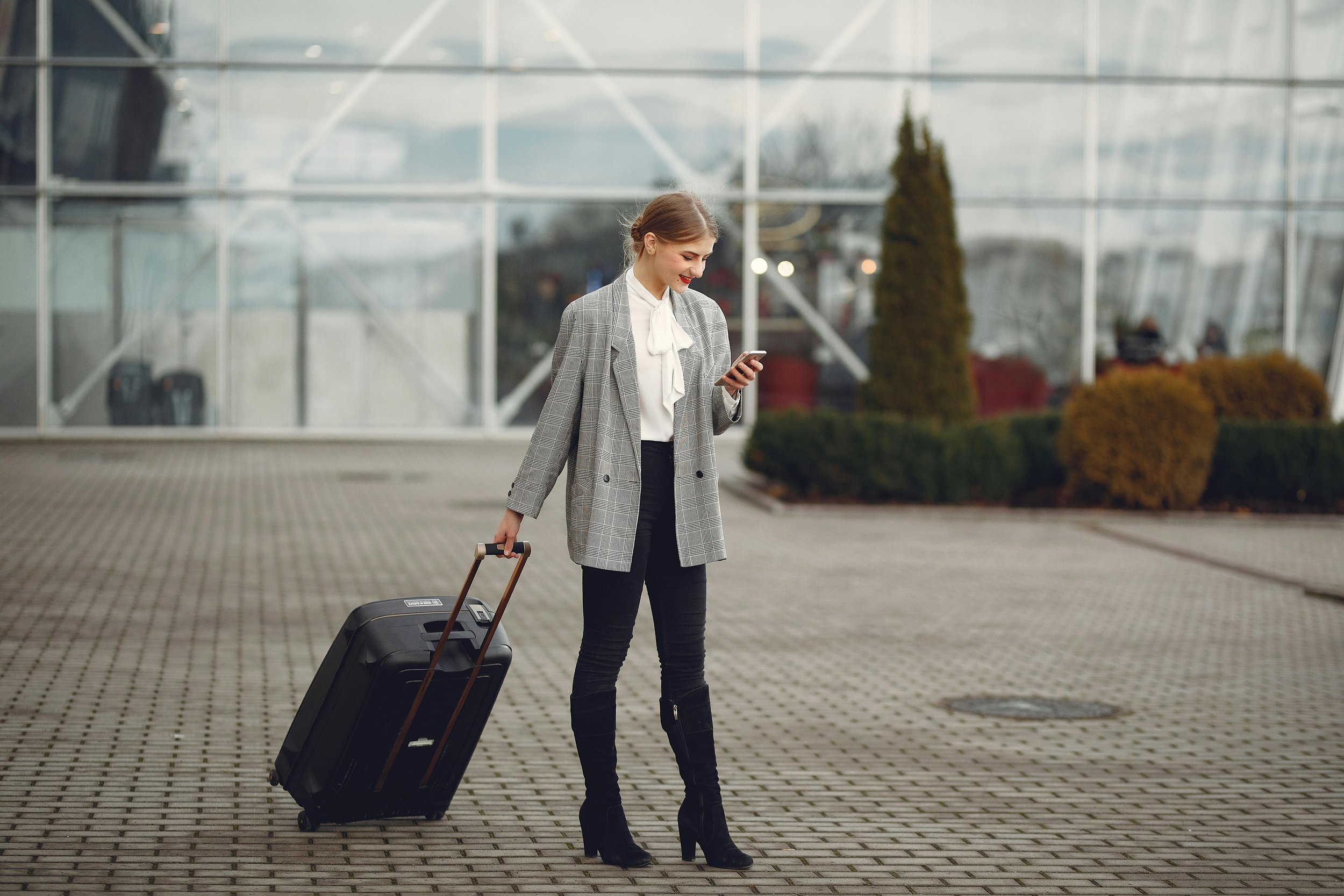
Solo female traveler carrying suitcase and checking travel information on her smartphone.
Travel in 2026 is safer in many ways — but also more digitally vulnerable.
According to global cybersecurity reports, travel-related phishing scams and booking fraud have increased significantly over the past three years, largely due to increased online booking dependence. At the same time, solo travel bookings continue to rise, especially among women and remote workers.
The takeaway?
Travel safety is no longer just about watching your wallet.
It’s about protecting your identity, your data, your health, and your real-time location.
Here’s what’s actually changing — and how prepared travelers are adapting.
1. Digital Theft Is Outpacing Pickpocketing
Petty theft still exists — but digital crime is scaling faster.
Common 2026 travel scams include:
Fake airline delay texts requesting login confirmation
Cloned hotel booking websites
QR code scams in airports and restaurants
Public Wi-Fi “honeypot” networks harvesting credentials
SIM swap fraud targeting travelers abroad
Many travelers secure their backpack — but log into their bank account on unsecured Wi-Fi.
What Smart Travelers Do Instead
Use eSIM or international data plans instead of public Wi-Fi
Enable 2FA on banking, airline, and email accounts
Use a password manager
Lock SIM cards with a PIN
Carry a portable power bank to avoid public USB charging stations
Action Step:
Before traveling, attempt a password reset on your own email. If it’s easy, strengthen it.

Woman using a portable power bank to charge her laptop in public.
2. Real-Time Location Sharing Is Normal — But Private
In 2026, most prepared travelers use:
Live location sharing during rideshare trips
Scheduled check-in apps
Emergency SOS features on smartphones
But oversharing publicly remains risky.
Posting your hotel in real time? Avoid it.
Privately sharing your location with one trusted contact? Smart.
Smart Protocol
Before departure:
Choose 1 primary emergency contact
Choose 1 backup contact
Agree on a missed check-in timeframe (e.g., 12 hours)
This removes panic and creates clarity if something goes wrong.
3. Solo Travel Is Growing — With Smarter Vetting
Solo travel continues to increase globally.
But travelers are no longer asking:
“Is this country safe?”
They’re asking:
Is this neighborhood safe after 9pm?
What’s the safest route from the airport?
Are rideshare scams reported here recently?
Safety research is now hyper-local and time-sensitive.
What Solo Travelers Are Doing Differently
Booking arrivals during daylight
Researching airport-to-hotel transfer plans in advance
Screenshotting accommodation details
Using door wedges or portable locks in hotels
If you want to see the specific tools that reduce these risks — including the door lock and power bank we recommend — you can find them on our Travel Safety Gear page.

Solo female traveler unpacking her suitcase in a hotel room after checking in during daylight hours.
4. Health Preparedness Is Practical — Not Paranoid
Post-pandemic habits evolved into practical planning.
Travelers now commonly:
Carry small personal medical kits
Research nearest hospital before arrival
Check air quality indexes
Purchase travel medical insurance (even domestically)
Prepared doesn’t mean fearful — it means informed.
Smart Additions to Your Packing List
Compact first aid kit
Digital thermometer
Electrolyte packets
Copies of prescriptions
Travel insurance policy PDF saved offline
5. Rideshare & Micro-Mobility Awareness Is Higher
Transportation convenience has increased — and so have impersonation scams.
Common issues in 2026:
Drivers asking to cancel ride and pay cash
Fake rideshare drivers waiting at airports
QR stickers placed over legitimate scooter codes
Smart Ride Habits
Verify plate before entering vehicle
Never cancel at driver request
Sit in the back seat
Share ride details with a contact
Screenshot driver info before entering
Small habits drastically reduce risk.
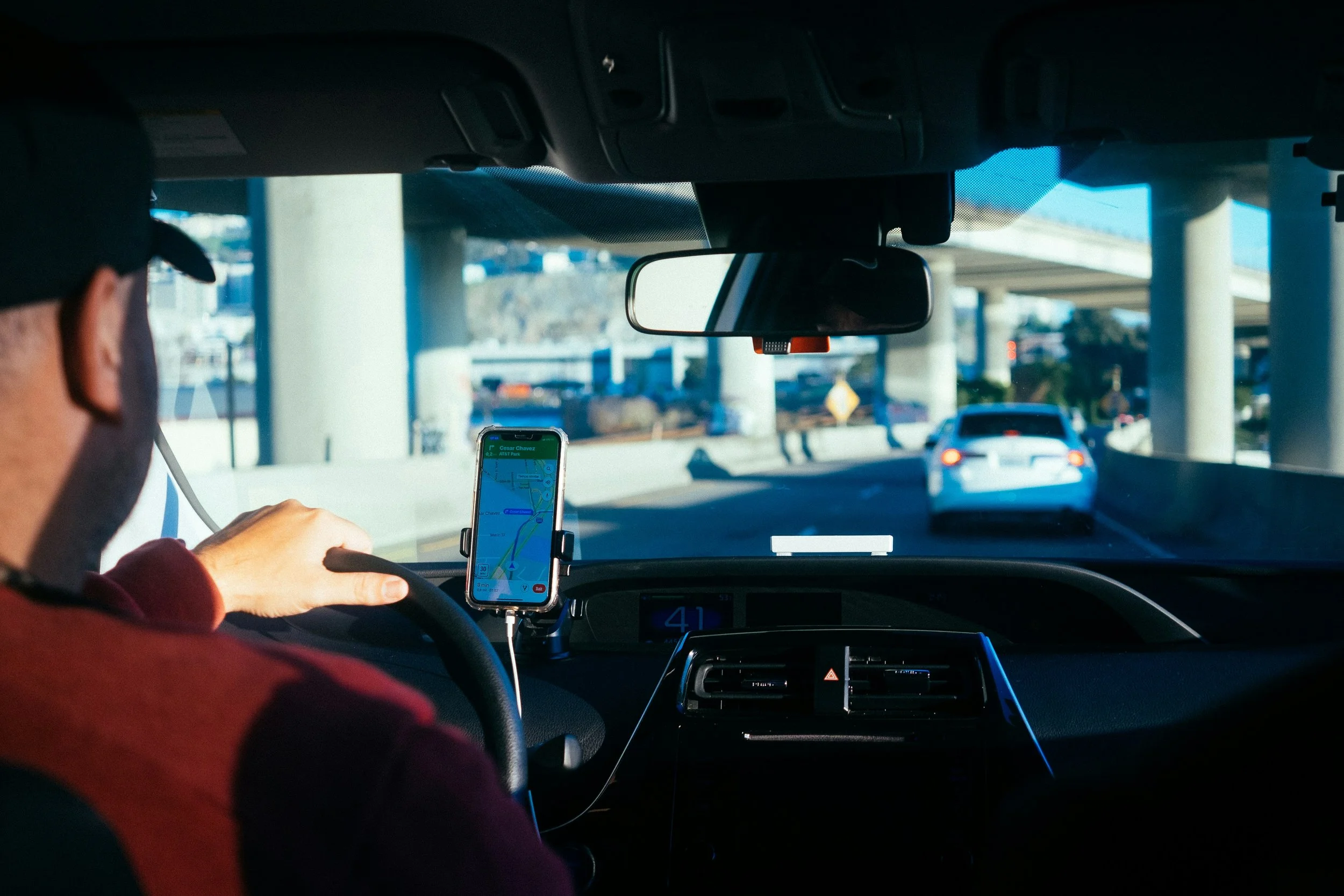
Passenger’s point of view from the backseat of a rideshare vehicle.
6. Hyper-Local Safety Data Is Replacing Forums
Five-year-old forum posts are no longer reliable safety advice.
Smart travelers now:
Filter search results by “past year”
Check recent local news
Review neighborhood-specific feedback
Monitor official travel advisories
Safety is now dynamic — not static.
7. The Biggest Trend: Calm, Prepared, Not Fearful
The dominant shift in 2026 isn’t technological.
It’s psychological.
Prepared travelers:
Plan ahead
Avoid panic-based media
Don’t overshare
Stay observant
Trust instincts
Ready to Travel Smarter in 2026?
Prepared travel isn’t about fear — it’s about confidence.
If you want to see the exact safety tools that align with these 2026 trends, we’ve organized them here. These are the same types of tools frequent solo travelers and digital nomads rely on to reduce modern travel risks.